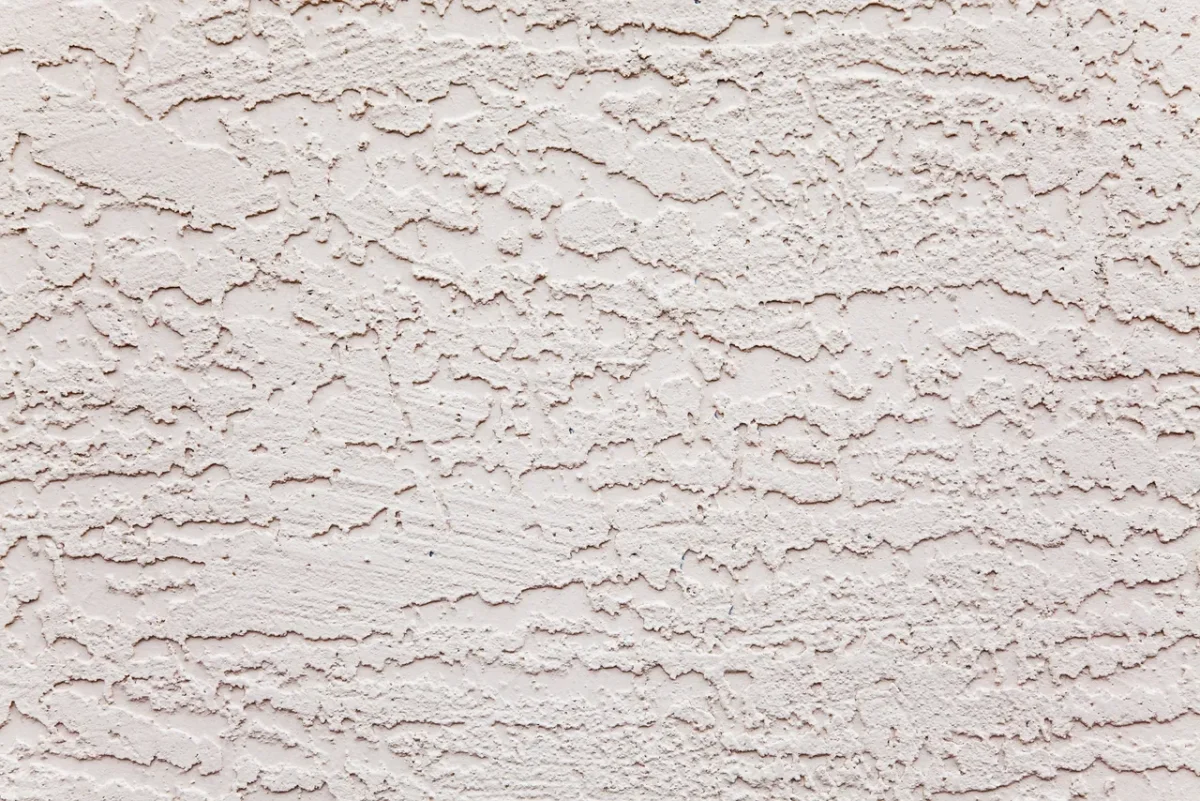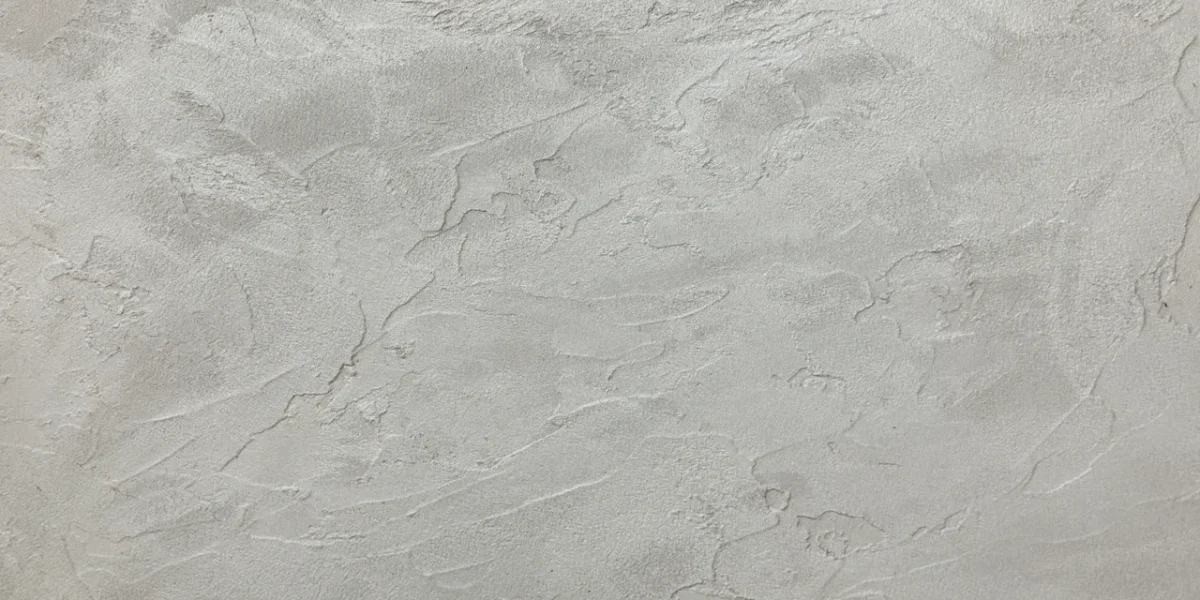


One of the major upsides to having stucco siding is its customizability and versatility when it comes to aesthetics. If you have stucco siding, there are a wide range of colors and textures you can choose from, to make your stucco siding look exactly how you want it. At Titan Stucco, our team of professional stucco contractors in Phoenix, AZ is breaking down the color process for stucco: how to add color, the different types of colorants, and the different processes you may need to be aware of.
How To Add Color to Stucco
Stucco colors can come in either powder or liquid forms, and they are typically added to the base material of your stucco, which when left natural is typically a white or whitish-gray color. The color is usually mixed in with the finishing coat of your stucco before it is applied to the wall. Powdered colors are usually meant to be used with traditional stucco finishes, while liquid colors are usually used with acrylic or synthetic stucco finishes. Ensuring your color is fully mixed is an important step in the coloring process, to make sure you have an even color across the surface of your stucco.Powdered vs. Liquid Colorants
The color you choose for your stucco will need to be added to the base material, and to ensure proper mixing with the different types of stucco, there are two different types of colors you can use: powdered colorants or liquid colorants. They both work equally well, but which one you should use is dependent on the type of stucco finish you are applying. For the dry materials of a traditional stucco finish, the powdered colorants will blend well with the dry sand and provide a seamless vibrancy throughout the stucco finish. For the more synthetic materials of acrylic stucco, the liquid colorant will blend better with the stucco process and provide an equal color throughout the stucco application. Using the right colorant is essential to ensuring you are achieving the desired color for your stucco siding.How To Add Color to Traditional Stucco Finishes
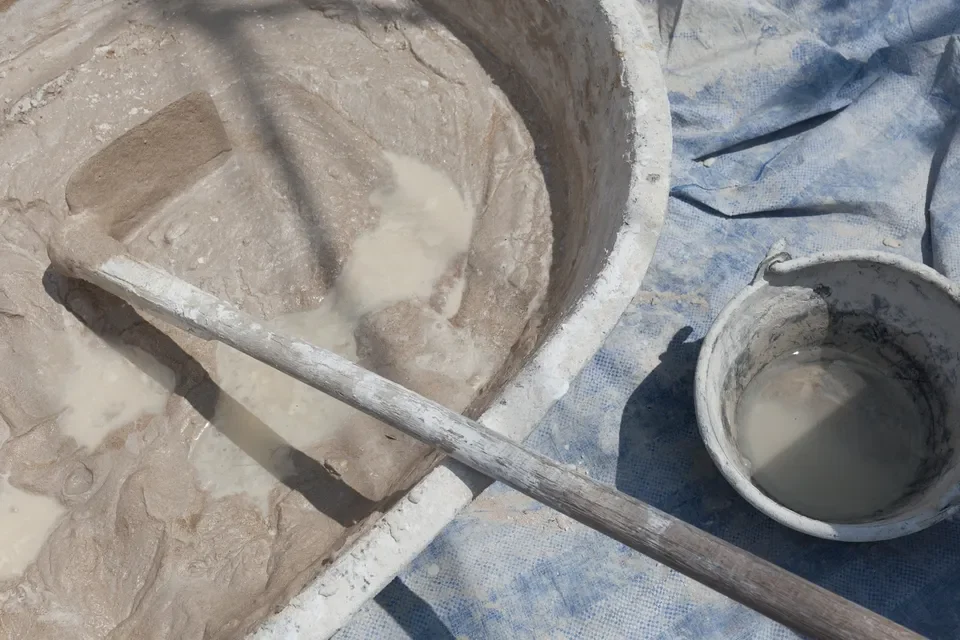
Traditional stucco finishes are made of natural materials like Portland cement, sand, and limestone. The Portland cement will determine the base color of the stucco, usually ranging from a white to a whitish-gray. Since these are all bagged, dry materials you will need to add them to water during the process to form the mixture of stucco. This is why you will typically use a powdered color, which will blend well with the dry ingredients of traditional stucco. For traditional stucco, the coloring process will typically follow these steps:- Determine the amount of water needed to mix your bag of finishing material, and use around 50% of that amount of water to mix in with the coloring powder in a bucket.
- Add the water and color mixture to the base coat material.
- Mix per the manufacturer’s instructions and add the remaining water.
How To Add Color to Acrylic/Synthetic Stucco Finishes
Acrylic and synthetic stucco finishes are typically made using liquid acrylic mixed with aggregates like sand or quartz, so the material is essentially premixed when it arrives. This means the color will only need to be added to the white base of the stucco materials before application. The process of adding the liquid color to the acrylic or synthetic stucco is very similar to the process of mixing paint, and includes adding in the color to the white base until the desired shade is achieved. The process typically follows these steps:- Open the 5-gallon bucket that the synthetic stucco materials have arrived in and set aside for mixing later.
- Shake the liquid color bottle vigorously to ensure the color is properly distributed throughout the liquid.
- Pour the color bottle into the manufacturer’s bucket of synthetic stucco.
- Mix the color according to the specifications provided by the manufacturer or seller.
How To Mix Color in Stucco
The color to stucco ratio is very important for ensuring the proper color is achieved for your stucco siding. Since you may be using either powdered or liquid coloring, they require different techniques to achieve the proper color and vibrancy.Mixing Color Into Traditional Stucco
For traditional stucco, you will first want to determine the amount of powdered color you will need. This depends on the total weight of the stucco you are using, and manufacturers recommend that you will need around 3% to 7% of the total weight of your stucco in powdered color to achieve the best pigmentation. If you are wanting a more subdued color for your stucco, you can use closer to 3%, and if you are aiming for a more vibrant color, you can use closer to 7%. In order to achieve the proper color, it is important to add the coloring powder early on in the mixing process. The sand particles in the stucco help to grind down any clumps in the color and ensure equal pigment throughout the mixture. This will help avoid splotchy coloring as you apply the stucco to your home.Mixing Color Into Acrylic/Synthetic Stucco
The process of mixing color into acrylic or synthetic stucco is a bit easier, simply because the liquid coloring makes it a more seamless process. For the mixing process, you can simply add the liquid pigment to the stucco mix and mix together the mixture using a mixing drill with paddles. This should ensure a seamless mixture with equal vibrancy and pigment throughout the stucco.Premixed Stucco Colors
It is also possible to get premixed stucco colors from stucco manufacturers. These will arrive with the color already added to the stucco material, and you will simply mix the stucco materials per the provided instructions. The premixed colors provide less opportunity for customizing, and may have a longer lead time compared to mixing your own stucco colors. If you have questions or concerns about coloring your synthetic or traditional stucco, the team at Titan Stucco can help. Contact us today to learn more about stucco siding installation and coloring.
Related posts